
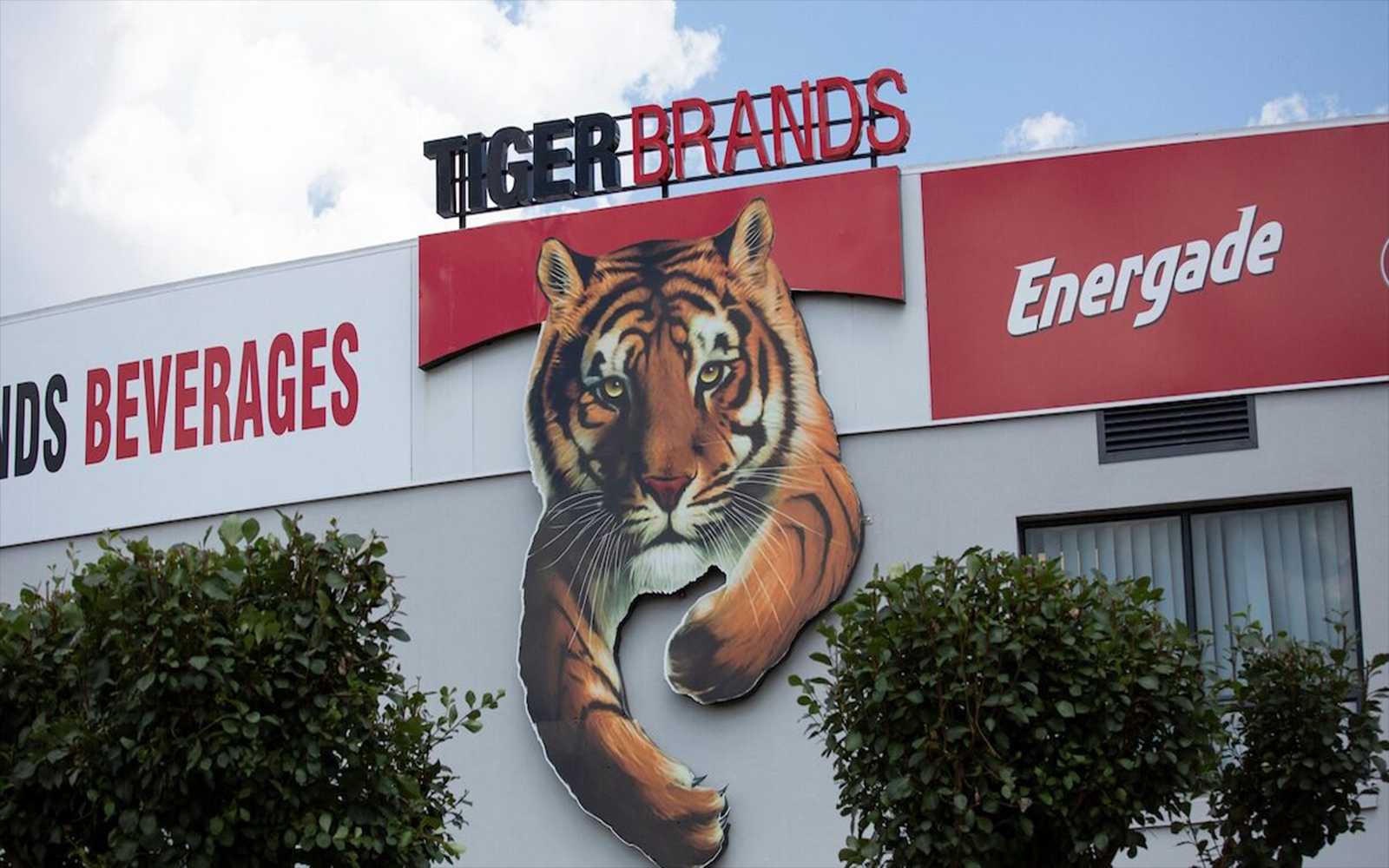
Premier Group is becoming one of the most closely watched stories in South Africa’s food sector, after its value more than tripled since returning to the JSE and moved the company closer to long-time industry heavyweight Tiger Brands.
The group, known for household brands such as Blue Ribbon, Snowflake, IWISA, Manhattan and Mister Sweet, has grown from a relisted food producer into a far more powerful consumer-goods player. Business Day reported that Premier is now valued at just over R31 billion, compared with Tiger Brands’ market value of about R49 billion. That gap is still significant, but the direction of travel has caught the market’s attention. Premier is no longer being seen only as a smaller rival. It is increasingly being viewed as a company with the scale, efficiency and brand strength to compete more directly with South Africa’s largest packaged-food groups.
The latest boost came after Premier reported record earnings for the year to end-March. Its shares rose after the announcement, supported by investor confidence in the company’s performance and its R6.5 billion acquisition of RFG Holdings. That deal has expanded Premier’s reach beyond its traditional strength in milling, baking and confectionery, giving it deeper exposure to well-known packaged-food categories and additional brands. For investors, the transaction signals that Premier is not only growing organically but is also willing to use acquisitions to build scale.
Premier’s financial results show why the market has responded positively. Revenue rose to R21.2 billion, while operating profit and earnings per share grew strongly. This matters in a consumer market where many South African households are under strain from higher living costs, fuel pressure and weak disposable income. Food producers cannot simply rely on price increases to grow. They must protect volumes, control costs, manage logistics and keep brands relevant in a market where shoppers are increasingly value-conscious.
That is where Premier appears to have gained momentum. Its investment case has been built around operational discipline, trusted staple brands and the ability to generate returns in a difficult trading environment. Blue Ribbon bread, Snowflake flour and IWISA maize meal are not luxury products; they are part of the everyday food basket for many households. This gives Premier exposure to categories with consistent demand, even when consumers cut back elsewhere.
Tiger Brands remains a larger and more established player, with major brands across groceries, snacks, beverages, grains and home care. It has also been improving its own performance after a period of restructuring and sharper focus under new leadership. Reuters reported earlier this month that Tiger Brands warned of targeted price hikes because of supply-chain risks from geopolitical uncertainty, showing that even the largest food companies remain exposed to global cost shocks. Tiger Brands also reported a stronger first half, with EWN noting revenue of R17.9 billion for the six months ended March 2026 and improved profitability supported by better volumes and cost control.
The competition between Premier and Tiger Brands is therefore not a simple story of one company rising while the other falls. It is a sign that South Africa’s food sector is becoming more competitive, more disciplined and more focused on execution. Both companies are operating in a market where consumers are under pressure, input costs can shift quickly, and brand loyalty must be earned through value as much as familiarity.
Premier’s rise also says something broader about investor appetite. The market is rewarding companies that can grow earnings, improve margins and make acquisitions without losing operational focus. A food producer that can deliver growth in a tough economy becomes attractive because it offers both defensive demand and expansion potential.
The RFG acquisition will now be one of Premier’s biggest tests. Buying a business is one thing; integrating it successfully is another. The company will need to show that it can protect margins, extract efficiencies, grow brands and avoid the complexity that often comes with larger portfolios. If it succeeds, the gap with Tiger Brands may narrow further.
For now, Premier’s JSE comeback has become more than a relisting success story. It is a signal that a historic food producer has re-entered the market with renewed ambition, stronger earnings and a clear appetite for growth. Tiger Brands remains the bigger name, but Premier is no longer standing far behind it. In South Africa’s food industry, the race is becoming much closer.
Share this article